01
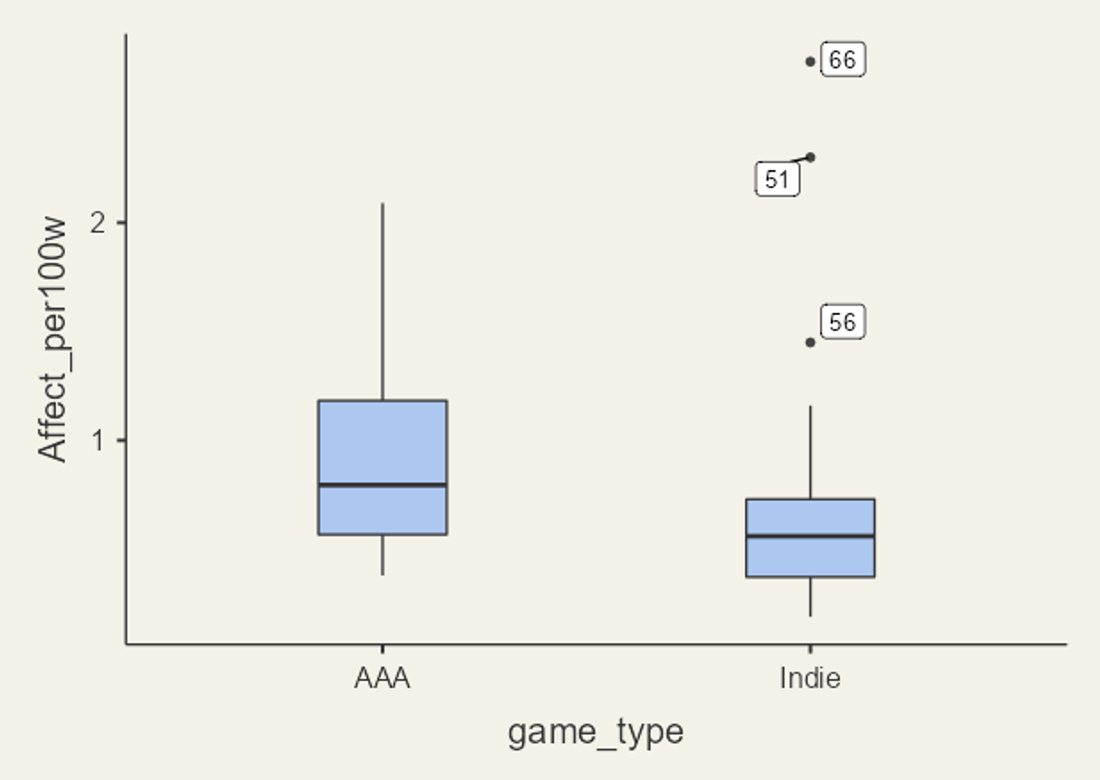
Streamer commentary analysis
A contrastive study of emotional expression in the first ten minutes of AAA and indie gameplay videos on YouTube.
Computational text analysisPythonJamovi
I’m Amirreza Parvaresh, a communication researcher with a foundation in sociology and social research. My work combines qualitative inquiry, experimental methods, computational analysis, and human-centered design.
↓Selected work · 2025–2026
Six case studies, with individual and team contributions labeled from the original course records.
A contrastive study of emotional expression in the first ten minutes of AAA and indie gameplay videos on YouTube.
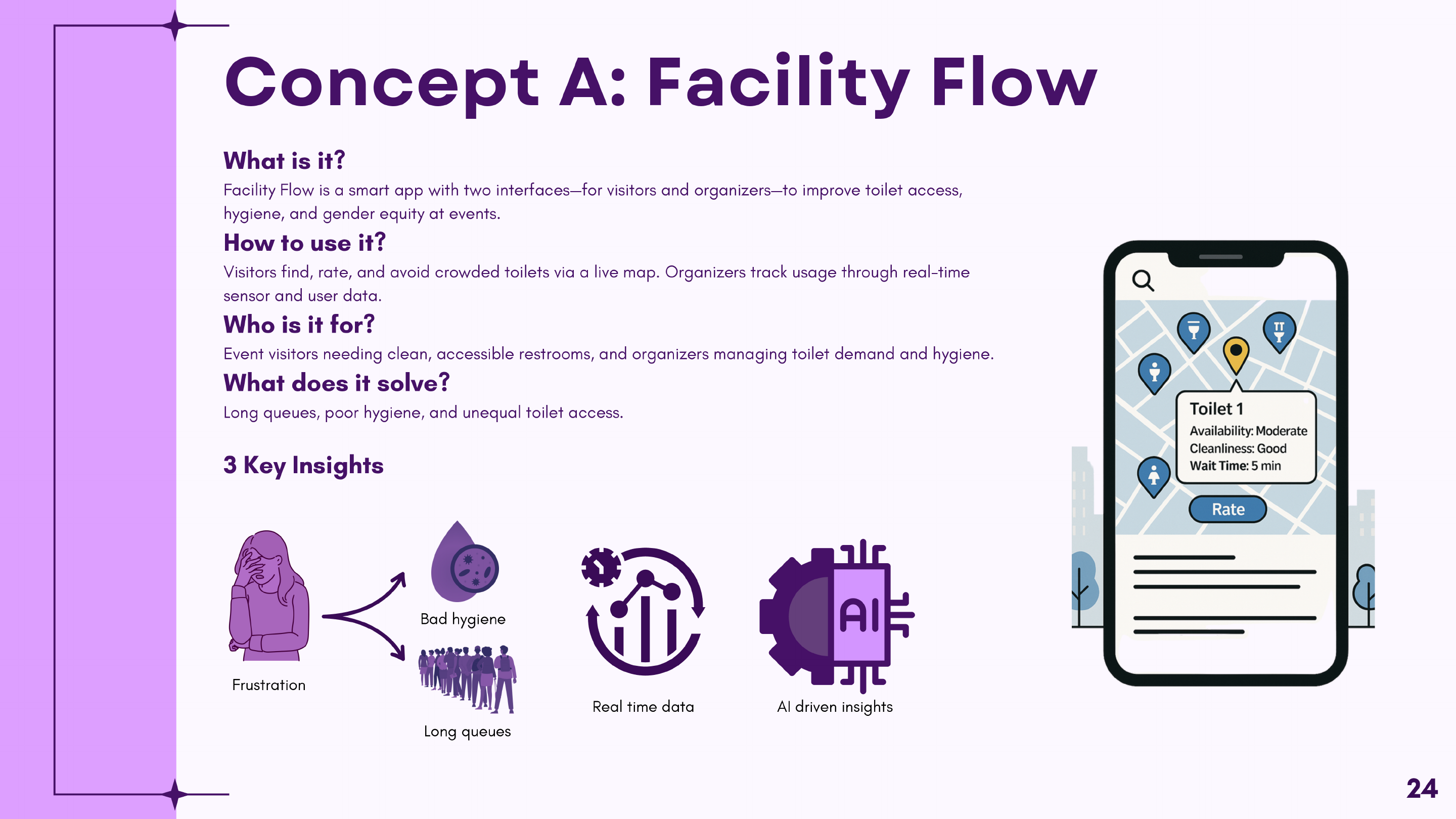
Interview research on restroom access at public events, translated by a design team into service and product concepts.
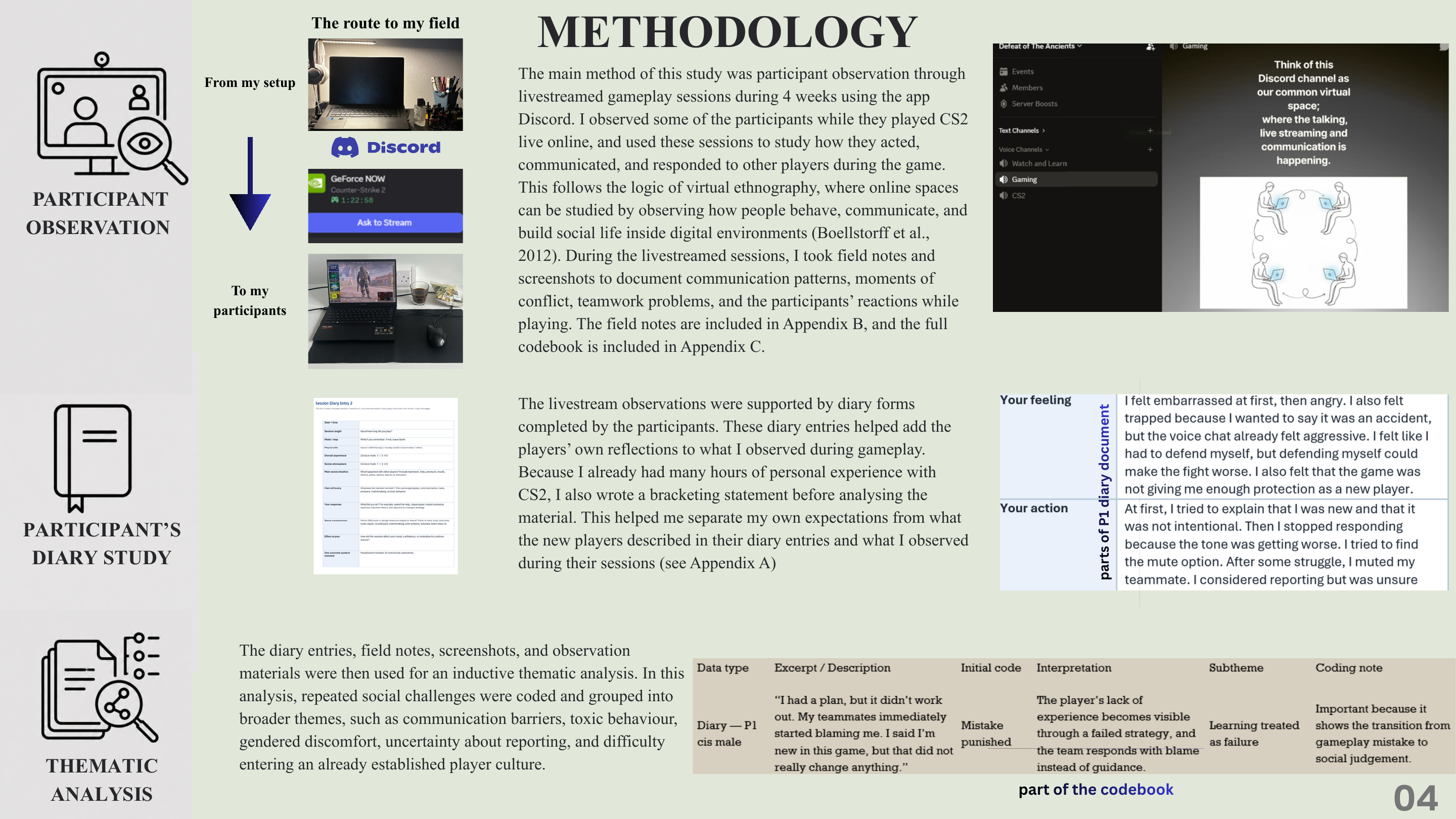
A four-week virtual ethnography of the social friction new players encounter when entering Counter-Strike 2 team play.
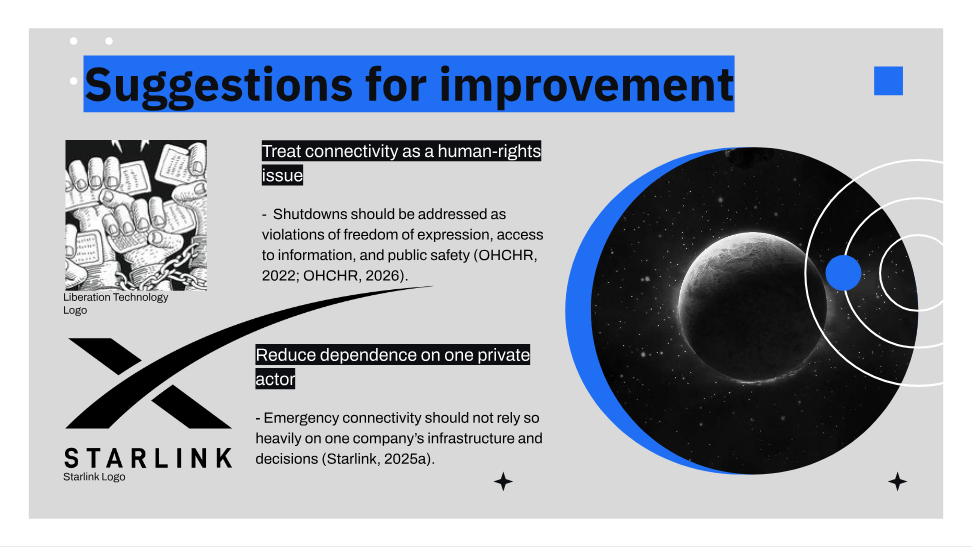
A critical analysis of how satellite connectivity can preserve communication while redistributing cost, risk, and dependency.
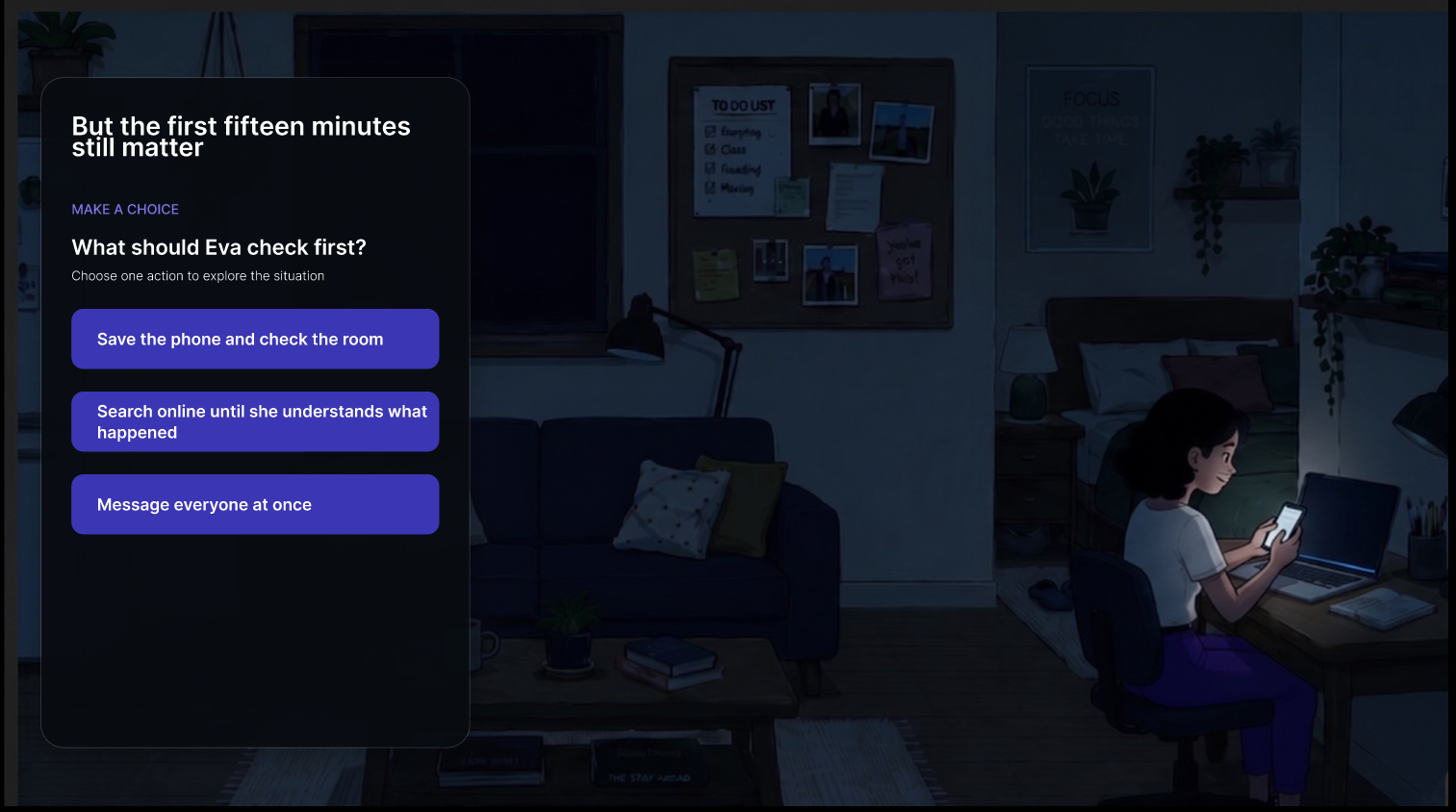
An interactive story designed to help international students rehearse practical decisions during a 72-hour power outage.
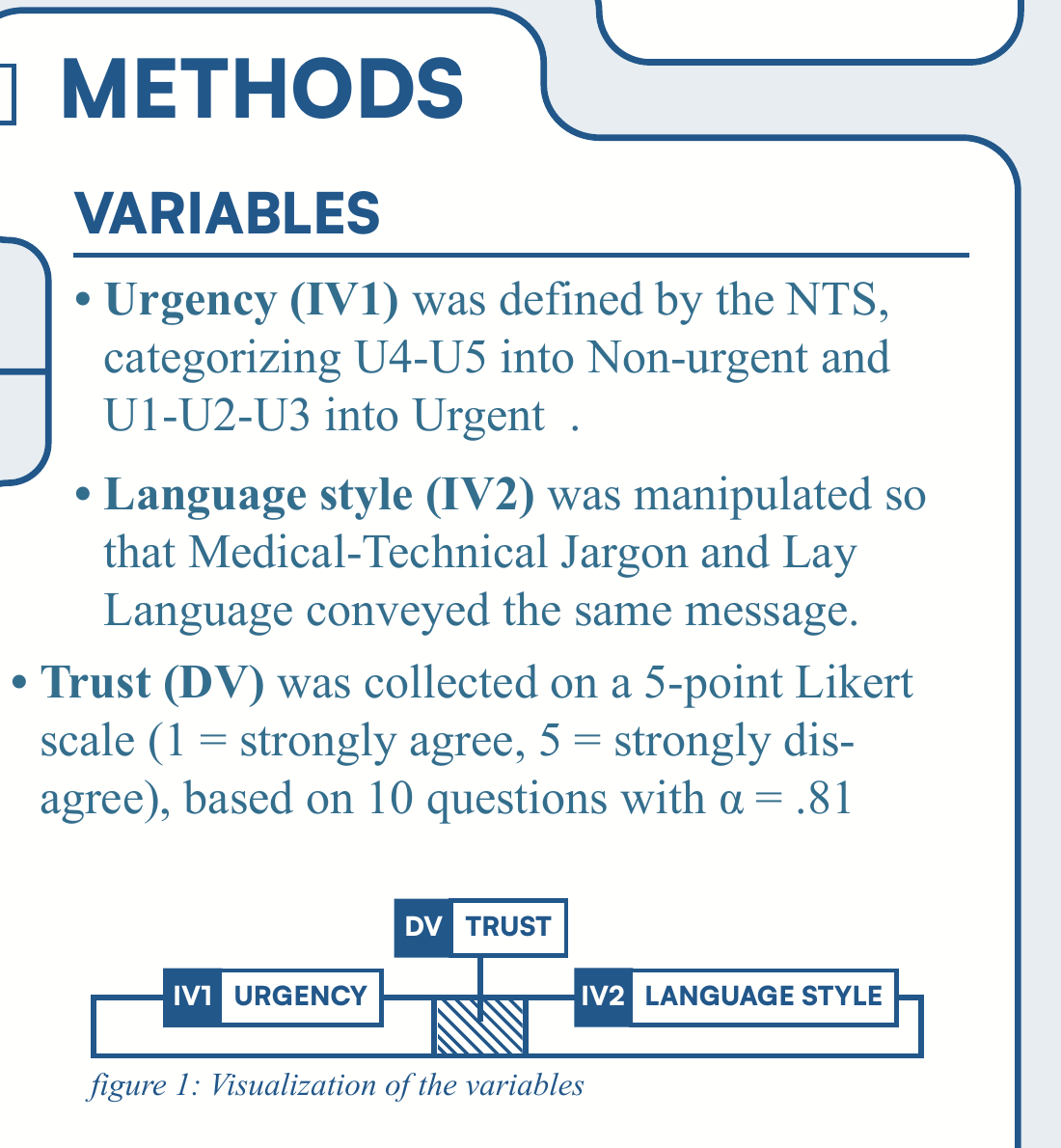
A 2×2 online experiment testing whether urgency and language style influence trust in fictional AI-generated health advice.
Methods & tools
Semi-structured interviews, diary studies, participant observation, field notes, and researcher bracketing for situated accounts of experience.
Thematic analysis, codebooks, journey maps, and Miro turn qualitative material into patterns without losing context.
Qualtrics, Jamovi, reliability checks, t-tests, regression, and factorial designs support careful quantitative comparison.
Python and pandas support documented data preparation; Figma, visual editing, and prototyping make findings usable for others.
Additional coursework
A 2×2 mixed experiment with 61 participants tested whether a brief childlike perspective prompt changed originality in grocery-store problem solving. Ideas were scored with the Ocsai language-model method; the time, condition, and interaction effects were not significant.
A ten-person within-subject classroom study compared vocabulary quizzes with and without a leaderboard. Enjoyment and perceived gamefulness were higher in the competitive condition, while effort did not differ significantly; the small sample and unlinked responses limited inference.
A critical presentation on shallow points-badges-leaderboards design, overjustification, narrow user models, and the need for meaningful, personalized motivational systems.
About
My academic path began in Sociology and Social Research at the University of Tehran and now continues in Communication and Information Sciences at Tilburg University.
I’m most interested in the point where systems meet everyday experience: how platform design shapes belonging, how inequality changes access to technology, how language affects trust, and how research can guide more humane services.
Alongside research, experience in retail, visual merchandising, catalogue building, and operations has taught me to communicate precisely, work across cultures, and carry ideas through to practical delivery.